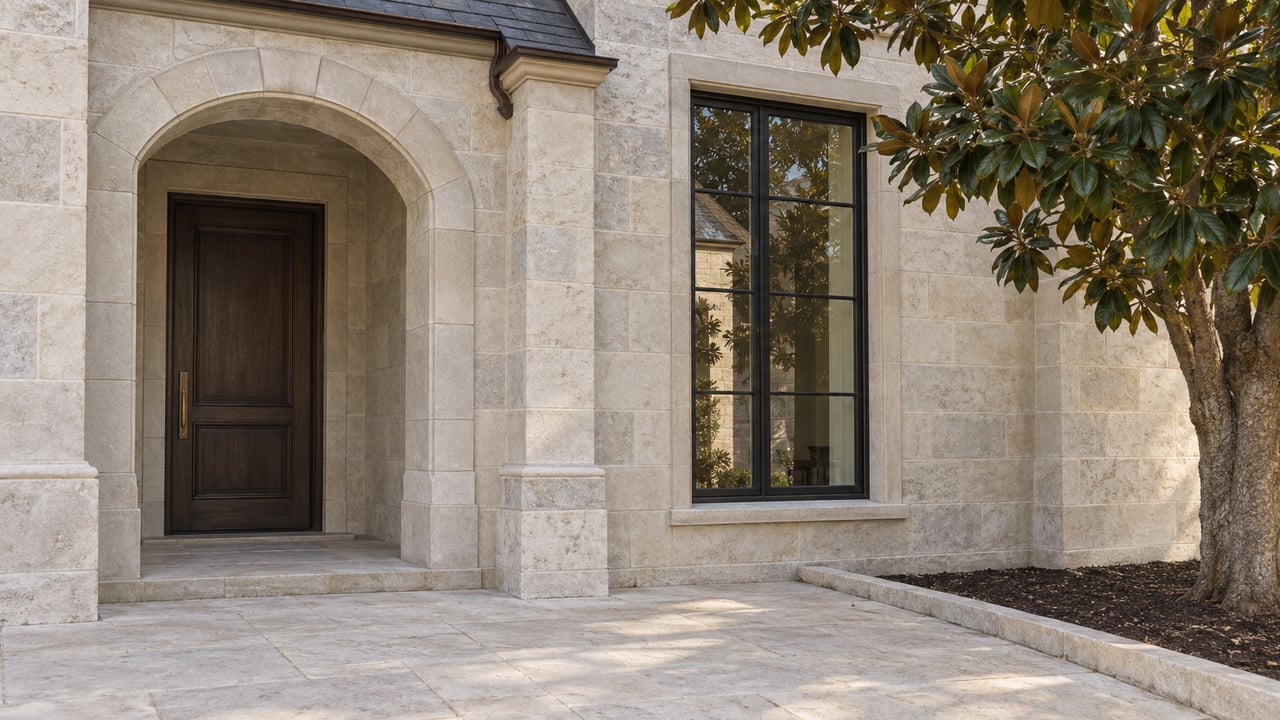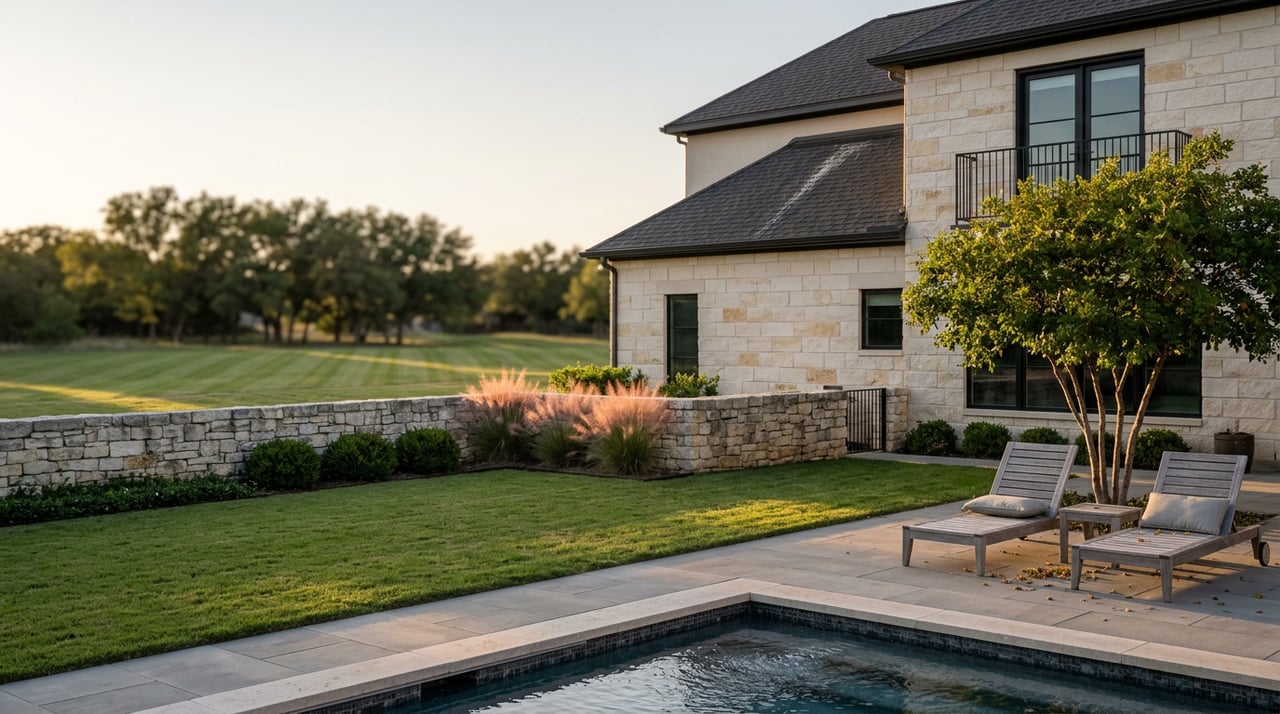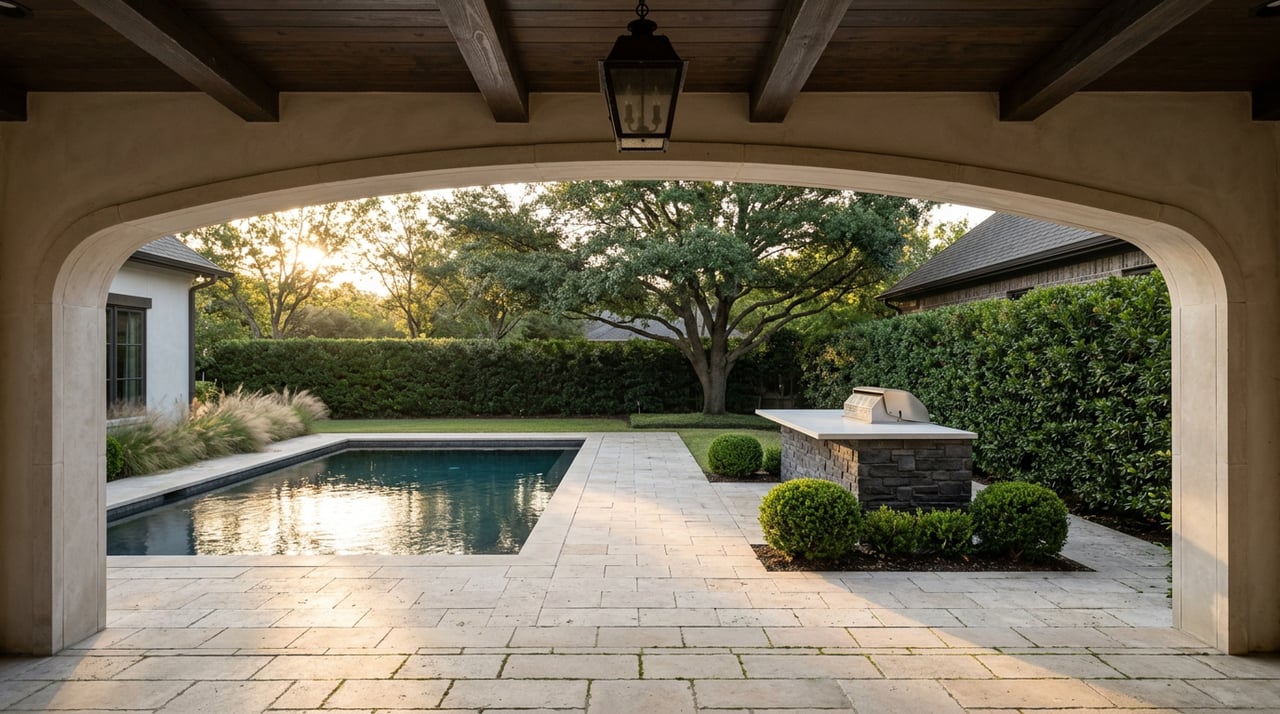
A buyer touring Chapel Creek for the first time usually does the math twice. The listing says $1.6 million. The lot backs a greenbelt. The kitchen has a wine room. And then the HOA disclosure shows dues of roughly $100 a month, a number that looks like a typo next to homes this size in Frisco.
It isn't a typo. Chapel Creek was built without a clubhouse, without a community pool, and without a fitness center, and that absence is the reason the dues stay low. The mistake buyers make is treating that number as a discount. It isn't one. It's a different bill, and it gets paid somewhere else.
What the HOA Never Built
Most Frisco communities in this price range fund something communal: a resort-style pool, a lifeguard chair, a clubhouse with a workout room and a reservable event space. That infrastructure costs money to build, insure, and eventually replace, and the dues reflect it. Chapel Creek skipped that step entirely. The neighborhood, developed between the early 2000s and roughly 2012, was designed around its natural setting instead, with trails winding through mature trees and creek frontage rather than a shared amenity building at its center.
That's a real trade for a buyer, not a missing feature. A $100 monthly assessment isn't funding much beyond entrance landscaping, common-area upkeep, and the architectural review process the HOA runs to enforce the neighborhood's design standards. There's no pool deck to resurface, no clubhouse roof to replace, no lifeguard payroll. The dues are low because there's very little to maintain collectively.
Where the Amenity Spend Actually Lives
Walk a listing sheet in Chapel Creek and you'll notice something: private pools, courtyards, outdoor kitchens, and wine rooms show up constantly, described as home features rather than community ones. That's not a style trend. It's the direct consequence of the HOA structure. If you want a pool in Chapel Creek, you build one on your own lot, and you maintain it yourself, forever, with no shared reserve fund helping absorb the cost.
The homes were built to carry that expectation from the start. Custom and semi-custom builders including Balkman & Associates, Bob Bobbitt Custom Homes, Kelly Custom Homes, Gray-Cramer Luxury Homes, and Shariff-Munir Ent built most of the original stock on lots ranging from a quarter acre to a full acre, generously sized specifically because each homeowner was expected to build their own version of the amenities a gated community would otherwise centralize. The architectural range runs from traditional brick to French Country to Mediterranean, but the underlying logic is consistent across builders: put the amenity budget into the house, not into a shared facility.
Compare that to a community like Starwood or Newman Village, both gated Frisco neighborhoods a short drive away, where higher monthly dues fund a shared pool, tennis courts, and a clubhouse residents don't have to build or maintain themselves. Neither model is better. They're just different places to put the same money, and a buyer comparing a listing in Chapel Creek against one in a gated, amenity-heavy community on dues alone is comparing two different products as if they were the same one.
Why the Price Spread Looks So Wide Right Now
This structure also explains something that trips up buyers scanning price data across Chapel Creek listings: the numbers don't line up neatly from one snapshot to the next. Median list price sat near $1.43 million in June 2025, at roughly $258 per square foot. By September 2026, the median had moved to about $1.92 million, near $362 per square foot. And in August 2026, the average sale price came in near $2.91 million, but that figure was built from just two closings that month.
Two sales is not a market. It's two houses. And in a neighborhood where the amenity spend lives inside each home rather than in a shared HOA budget, those two houses can be wildly different products wearing the same neighborhood name. An original 2005 build that hasn't been touched sits at one end. A fully renovated estate with a rebuilt kitchen, a new pool, and updated outdoor living space sits at the other, and it can carry a price tag that reflects six figures of private amenity investment the seller made instead of the HOA making it. When the monthly sample size is this small, one heavily upgraded closing can pull the average far above what a typical Chapel Creek home is actually worth.
For a buyer, the practical takeaway is to stop reading the headline median or average as a single data point and start asking what specific work is inside the price. A $362 per square foot listing and a $258 per square foot listing in the same neighborhood are not disagreeing about the market. They're describing two different levels of private investment in the same low-dues structure.
Why So Few Homes Change Hands
There's a second piece to this that compounds the first. Chapel Creek was largely built out by the early 2010s, so there are no new lots coming to market to add supply. Combine that with an HOA structure that keeps carrying costs low and a buyer pool that specifically wants large, custom, low-density homes with mature landscaping, and you get a neighborhood where homes rarely come up for sale at all. Local agents who work the area describe listings there as scarce, the kind of inventory that draws attention from buyers who already understand what they're looking at the moment it appears.
That scarcity reinforces the amenity math. Because turnover is low, sellers have had years, sometimes a decade or more, to invest in the private pool, the outdoor kitchen, the courtyard renovation. The home you're touring in Chapel Creek isn't a builder-grade base model waiting for its first owner to add amenities. It's more likely a home where the current owner already made that investment, and the price reflects it.
What to Actually Compare
If you're weighing Chapel Creek against another Frisco luxury pocket, the dues line item is the wrong place to start. The better comparison is total cost of ownership over a five or ten year horizon: what you'd spend building and maintaining a private pool and outdoor living space in Chapel Creek, against what you'd pay in higher monthly dues somewhere with a shared clubhouse and pool already built. For some buyers, owning and controlling that amenity outright is the whole appeal. For others, a shared facility with someone else handling the resurfacing bill is worth the higher monthly number.
Either way, the low dues shouldn't be read as Chapel Creek being a cheaper way to get the same lifestyle. It's a different way to pay for it.
Quick FAQ
Does Chapel Creek have any shared amenities at all? Yes. The neighborhood's hike and bike trails and greenbelt areas are shared, and they're a real part of daily life there. What's absent is a centralized clubhouse, pool, or fitness facility.
Are the dues likely to rise significantly? There's less pressure for a sharp increase than in HOAs funding a clubhouse or pool, since there isn't major shared recreational infrastructure that eventually needs a large capital repair or replacement.
Does the thin resale market make it harder to price a home here? It makes generic comps less useful. A well-informed local read of what's actually inside a specific listing, the renovation history, the private amenities already built, matters more here than in neighborhoods with steady month-to-month sales volume.
If you're comparing Chapel Creek against other Frisco neighborhoods and want help reading what a specific listing's price actually reflects, Ana Candido can walk you through it. Let's Connect.