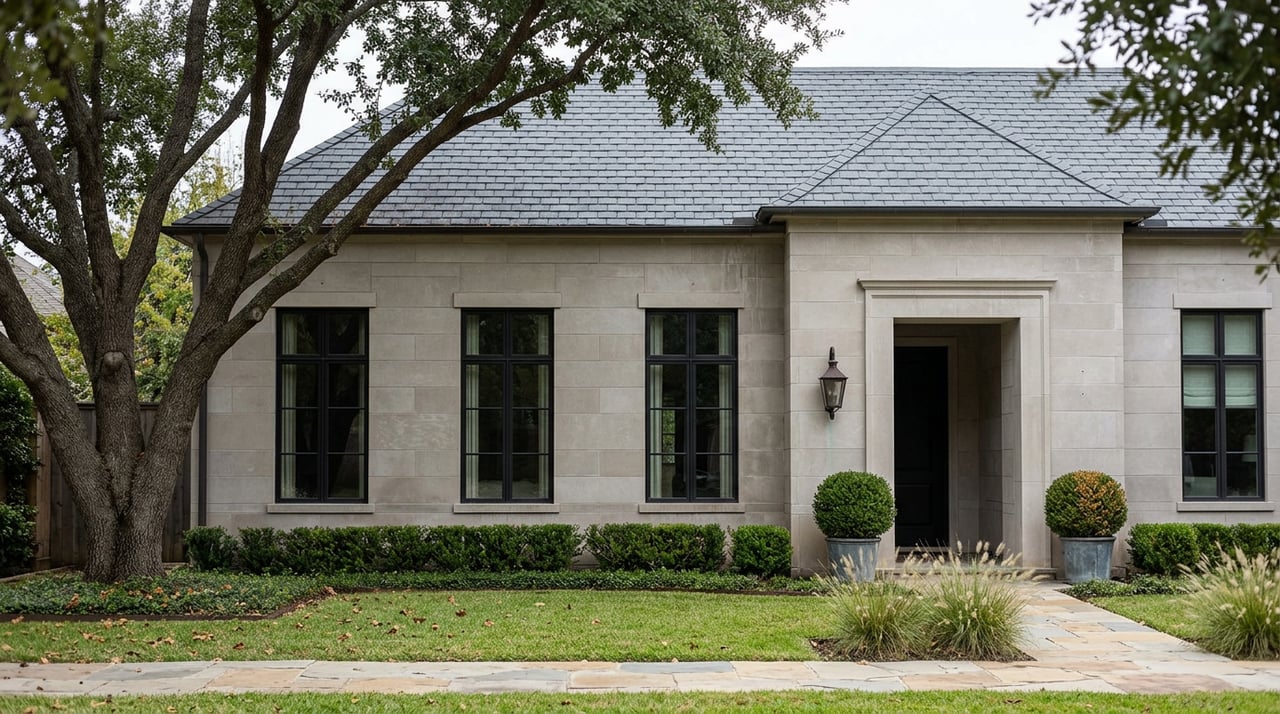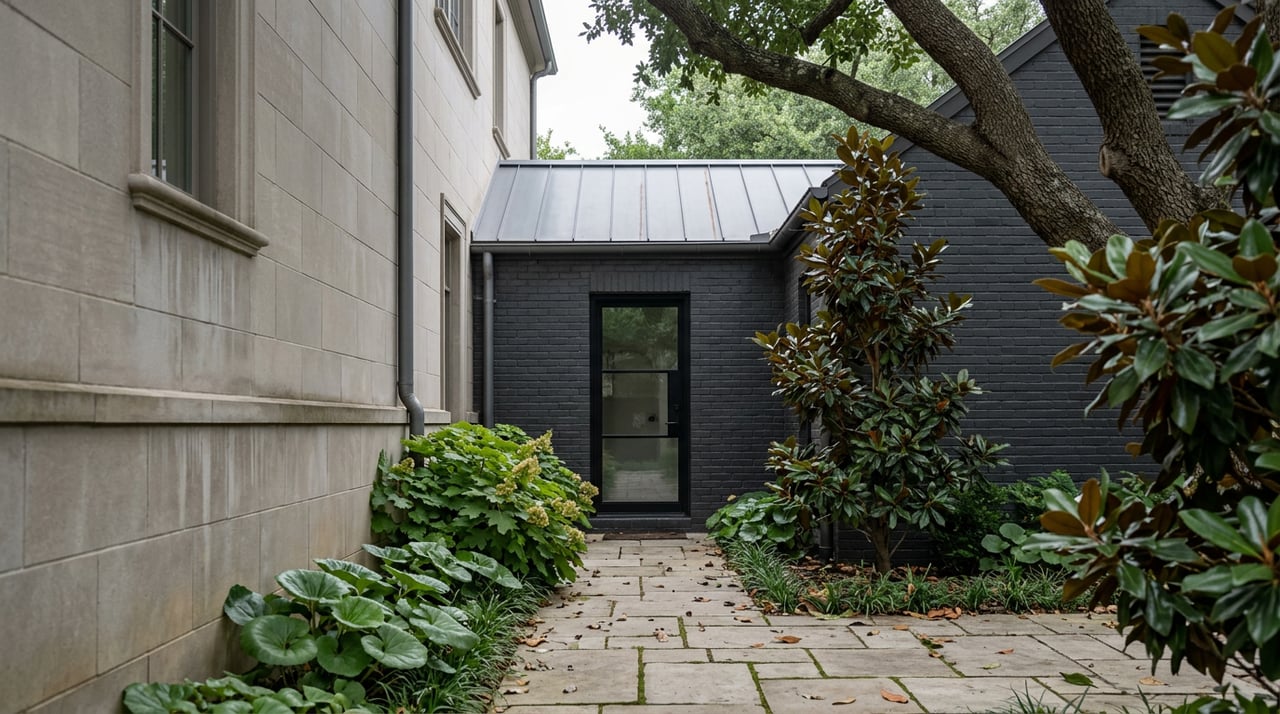
In 2023, neighbors on Fairfax Avenue held a block party for a house that was about to die. The home was nearly a hundred years old, and by the time the wrecking ball showed up, Preservation Park Cities president Amy Beale had already made her case to anyone who would listen.
"It was perfect scale for the neighborhood."
The builders saw something different once they got inside. Rozie Samei, co-founder of Avida Custom Homes, said the original details were long gone, calling out that the house had been "chopped up back in the 70s." Two people looked at the same walls and found two different truths. That gap between what a house promises from the street and what it actually holds is the entire argument for slowing down before you write an offer on anything old in Highland Park. What most buyers miss is that the town itself has already built a system to force that slowdown, whether you want it or not.
The Meeting Before the Wrecking Ball
Highland Park does not let you go from closing to demolition on your own schedule. Before the town issues a building permit for new single-family construction or a major residential renovation, it requires a pre-permit issuance meeting between the homeowner, the contractor, and a member of town staff. This isn't a courtesy call. It's a checkpoint where the town confirms your plans, your contractor's registration, and your timeline before a single permit is stamped.
If you're budgeting your renovation the way you'd budget one in a suburb without this layer, you're missing a step that has to happen before your clock even starts.
Twelve Months In, the Town Checks Back
Once construction begins, Highland Park runs its own internal calendar on your project, separate from whatever your contractor promised you. The town caps most residential construction at 24 months, and it doesn't wait until the end to find out if you're on pace. Town staff schedule joint check-ins with the homeowner and contractor at fixed intervals:
- 12 months into construction
- 18 months into construction
- 21 months into construction
- 23 months into construction
If staff isn't convinced the project can finish within the remaining time at any of those checkpoints, the town issues a stop-work order. That order only lifts once an extension is worked out between the town, the contractor, and the homeowner, and even then, an extension tops out at 90 days beyond the 24-month window if the town agrees one is warranted.
This means the real deadline on your renovation isn't the one in your construction contract. It's the one the town enforces with a stop-work order, and it starts counting the day your permit is issued, not the day you feel ready.
The Canopy Was There Before Your Architect
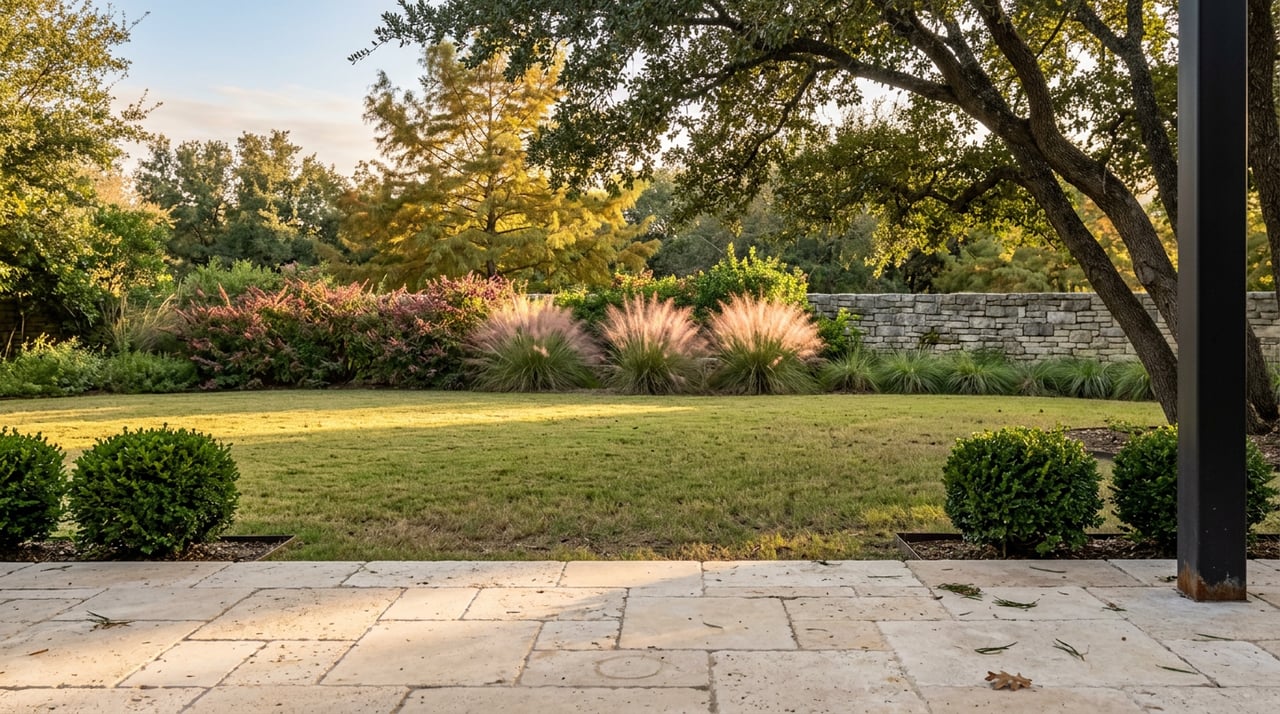
Highland Park's tree preservation rules add a second layer that shapes your project before your architect draws the first wall. A landscape design firm that works regularly in the town, Blount Designs, describes it plainly: the ordinance is one of the most protective in North Texas, and established trees aren't casually removed. Every design decision has to work around the canopy that's already there, not the other way around.
In practice, that means a pool layout has to respect root zones, a pavilion has to sit without compromising a specimen tree, and grading work near a protected tree's critical root zone has to be documented and, in many cases, reviewed by the town before you break ground. If you're buying a lot in Highland Park because of its mature trees, know that the same trees will constrain where your addition, your pool, or your motor court can actually go.
What a Teardown Actually Costs, Once You Add the Clock
Highland Park is essentially built out. Roughly 8,500 to 9,000 single-family homes sit on a footprint with no vacant land left, which is why teardown-and-rebuild has become its own category of transaction here rather than an occasional exception. Somewhere between 20 and 30 of these projects happen in a typical year, and the pattern is consistent: buyers pay for the lot itself, often $1.5 million to $3 million before a single stud goes up, then spend $3.5 million to $7 million or more once the new home is finished, land included.
Most of that math gets discussed in terms of construction cost per square foot. What rarely gets discussed is what the 24-month clock does to that number. A homeowner carrying a construction loan, property taxes on a multimillion-dollar lot, and insurance on an active job site for the better part of two years is paying for time as much as they're paying for materials. The town's compliance schedule isn't just a bureaucratic formality. It's the mechanism that determines how many months of carrying costs you're actually signing up for, and it doesn't bend just because your contractor fell behind on tile.
Two Recent Projects, Two Different Clocks
Not every buyer chooses the same path once they understand the clock, and two recent Highland Park projects show why.
On Lot 1, Block 1 of Highland Park, the original 1920s house sold to new owners who initially discussed a substantial renovation, including converting a sunroom into a library. Designer Shelby Wagner, builder Carolyn Isler of Isler Homes, and Briggs Architecture ultimately talked the owners into scaling back. They kept the sunroom, replaced plaster with white-oak paneling in the great room, and lacquered ceilings to make low first-floor rooms feel taller. A smaller scope meant a shorter run against the town's construction calendar.
At 4343 Rheims Place, just off Armstrong Parkway, a 1949 home took the opposite route. Briggs Architecture & Design and Caitlin Wilson Design led a renovation completed over 2023 and 2024 that added square footage, bringing the home to 6,916 square feet with five bedrooms and four and a half bathrooms, plus a pool and a sports court configured for pickleball and basketball. That home listed for $12.5 million in May 2026. Bigger scope, longer clock, higher ceiling on the eventual return.
Neither path is right or wrong. They're two different bets on how much of the 24-month window a buyer wants to spend, and on what.
Building the Clock Into Your Offer
If you're seriously considering a renovation or rebuild in Highland Park, the town's process should shape your offer strategy before it shapes your architect's drawings.
- Ask for the property's existing permit history before your option period ends, so you know what previous owners already navigated with the town.
- Get an informal read on tree canopy and critical root zones early. If a mature tree sits where you want your pool or addition, that's a design constraint, not a detail to sort out later.
- Price your carrying costs across the full 24-month window, not just the contractor's optimistic estimate. The town's checkpoints exist because projects run long more often than they run short.
- Confirm your contractor and every trade on the job are already Texas-licensed and registered with the Town of Highland Park. Unregistered trades add coordination delays you don't want discovered mid-project.
- Build the pre-permit issuance meeting into your closing timeline. It has to happen before the town issues anything, so it belongs on your calendar the same week you're finalizing financing.
Even Highland Park Village, the town's own commercial landmark, isn't exempt from phased timelines. Its owners filed plans in April 2026 for an $11 million renovation of two buildings, a project expected to run from June 2026 to June 2027 for roughly 10,500 square feet of retail space. If a project of that scale needs a full year, a residential rebuild on a fraction of that budget deserves the same respect for how long things actually take here.
Quick FAQs
Does the tree preservation review apply to renovations, or only new construction? Grading, excavation, or structural work near a protected tree's root zone triggers review regardless of whether you're adding a room or building new, since the constraint is about the tree, not the project type.
What happens if my contractor thinks they can finish in 20 months but the town's checkpoint says otherwise? The town's staff assessment at each checkpoint is what determines whether you get a stop-work order, not your contractor's projection. Plan around the town's read, not just your builder's.
Can I avoid the 24-month clock with a smaller renovation instead of a rebuild? A smaller scope, like the Lot 1, Block 1 project, generally means a shorter construction window and fewer checkpoints to clear, which is part of why some buyers choose to renovate rather than rebuild once they understand the calendar.
Highland Park rewards buyers who plan on the town's terms, not just their contractor's. If you're weighing a renovation or a full rebuild here, Ana Candido can walk you through what a specific lot allows before you write an offer, so the clock works for you instead of against you. Let's Connect.